

Asphalt is a flexible pavement held together by bitumen, a petroleum binder that behaves like a very slow liquid. In a moderate climate that binder stays pliable for decades. In Maricopa County, where surface temperatures on a dark parking lot routinely pass 150 degrees in July and ultraviolet exposure runs close to 300 days a year, that binder oxidizes fast. Oxidation drives off the lighter oils in the mix, the pavement turns from black to gray, and what was once flexible becomes brittle.
Brittle pavement cracks. Cracks let water into the aggregate base. A saturated base loses bearing strength, delivery trucks and trash routes push it out of shape, and the crack becomes an alligatored area, then a pothole, then a full depth failure. Every stage of that sequence costs more than the one before it, which is why maintenance timing matters more in Arizona than almost anywhere else.
In This Article
The Four Stages Of Arizona Pavement Failure
Stage one is color loss.
The Maintenance Schedule That Actually Works In The Valley
For most Arizona commercial properties the cycle looks like this.
What A Real Inspection Looks At
When our estimators walk a property we are measuring crack width and pattern, checking for base movement under load, looking at drainage slope and where water sits after a storm, testing pavement thickness at edges and at any existing patch, and reviewing striping and ADA compliance while we are on site. That produces a scope with a defensible sequence instead of a quote for whatever service the contractor happens to sell.
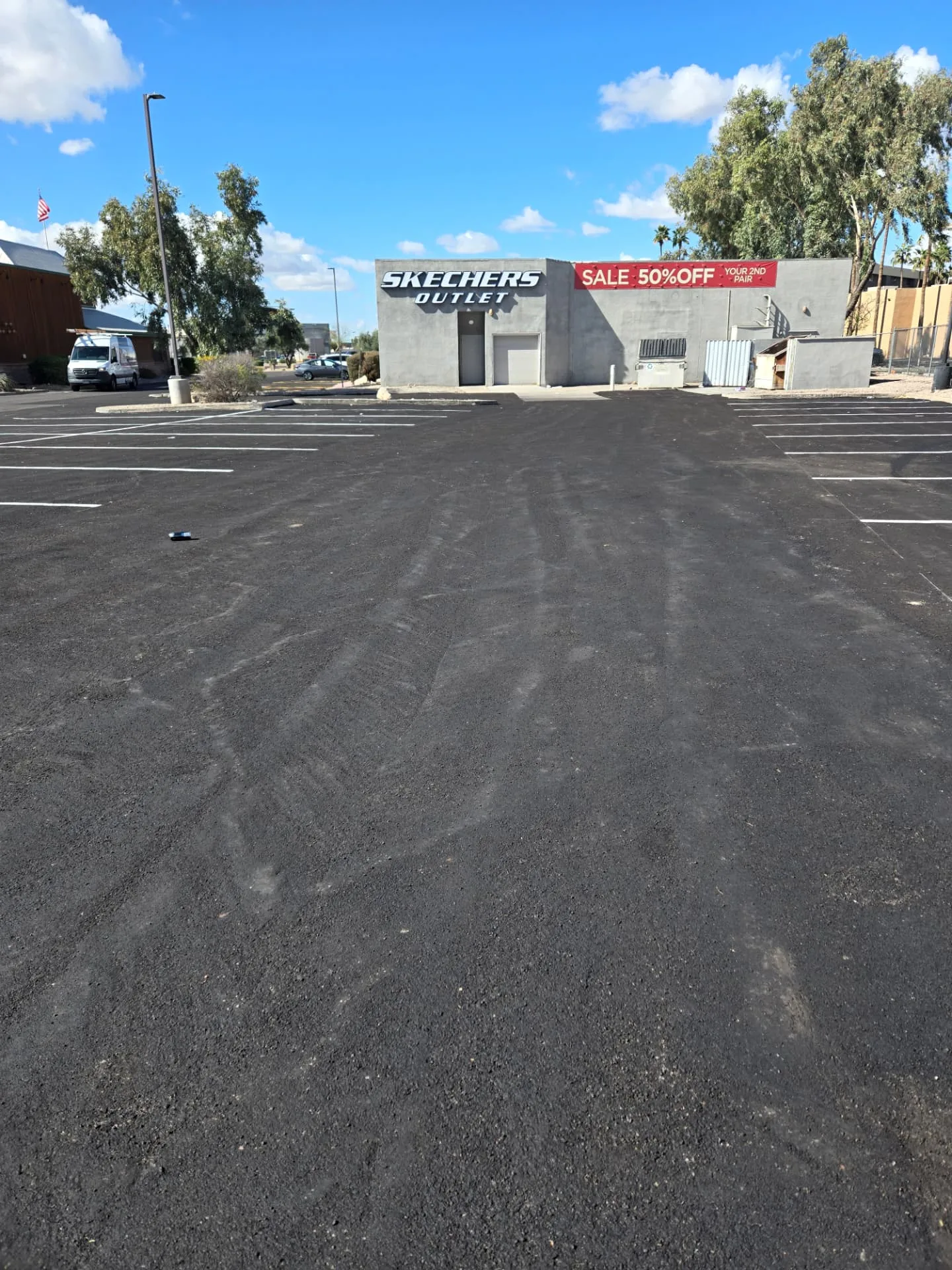
The Four Stages Of Arizona Pavement Failure
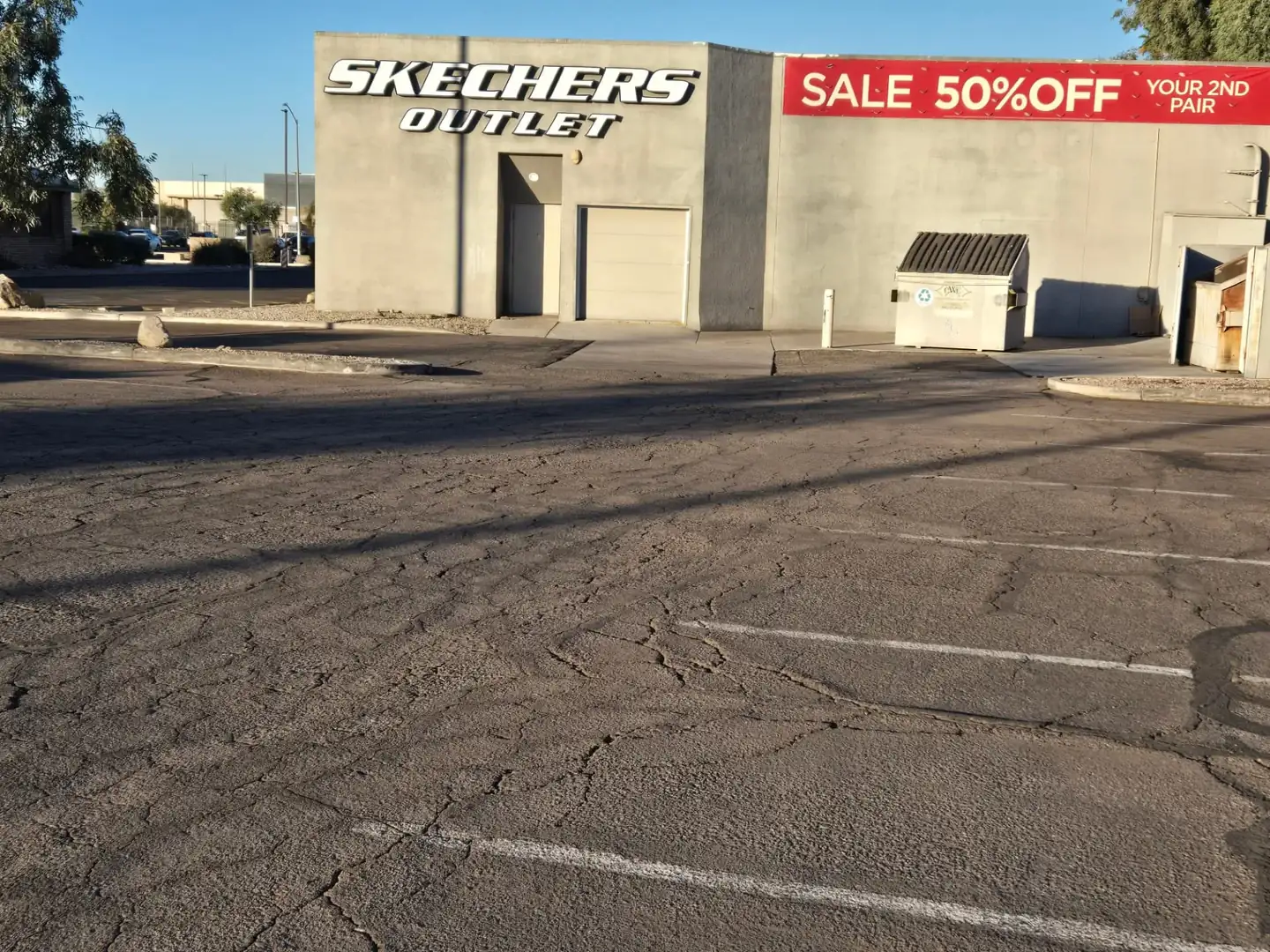
Stage one is color loss. A lot paved three or four years ago starts fading to light gray and the surface feels rough underfoot as the fine aggregate raps out. Nothing structural has happened yet, and this is the cheapest moment in the pavement's life to intervene.
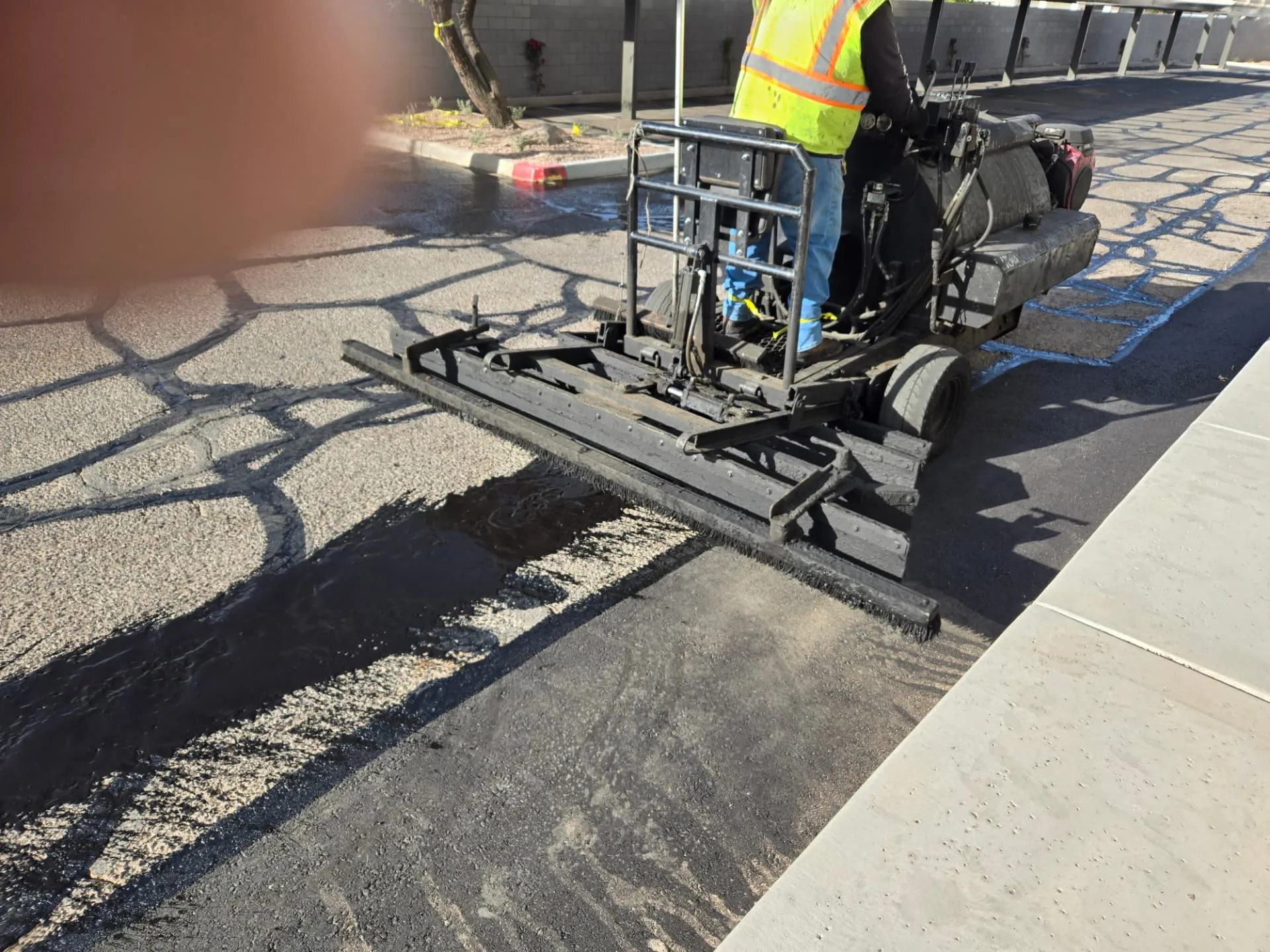
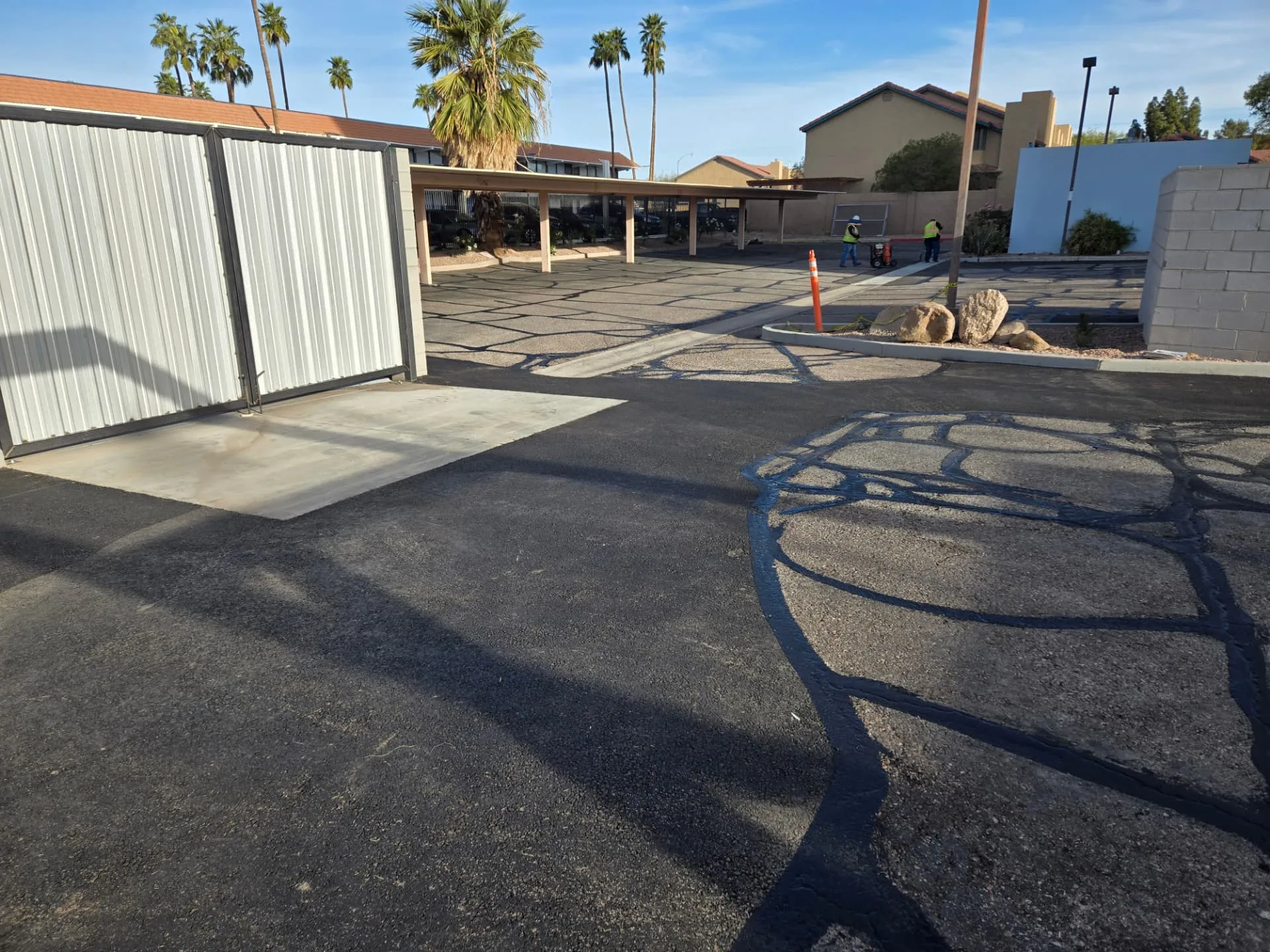
Stage two is hairline and transverse cracking. Thermal cycling between a 40 degree winter night and a 90 degree winter afternoon expands and contracts the slab daily. Cracks under a quarter inch are still a sealing problem, not a paving problem.
Stage three is water intrusion and base damage. Once monsoon runoff finds an open crack, the aggregate base below saturates and moves. You see this as depressions that hold water after a storm and as alligator cracking near drive aisles and trash enclosures.
Stage four is structural failure. At this point sealcoating does nothing. The repair is removal and replacement of the failed section, or a mill and overlay across the affected area.
The Maintenance Schedule That Actually Works In The Valley
For most Arizona commercial properties the cycle looks like this. Crack seal every one to two years, because sealed cracks keep monsoon water out of the base. Sealcoat every three to four years on high traffic retail and every four to five on lower traffic office and industrial lots. Restripe with the sealcoat so ADA layout and traffic flow stay legible. Inspect annually before monsoon season and address any area that ponds water.
Properties that follow that schedule commonly run twenty five to thirty years on an original asphalt section. Properties that defer it are usually looking at mill and overlay inside twelve to fifteen years, at several times the lifetime cost.
What A Real Inspection Looks At
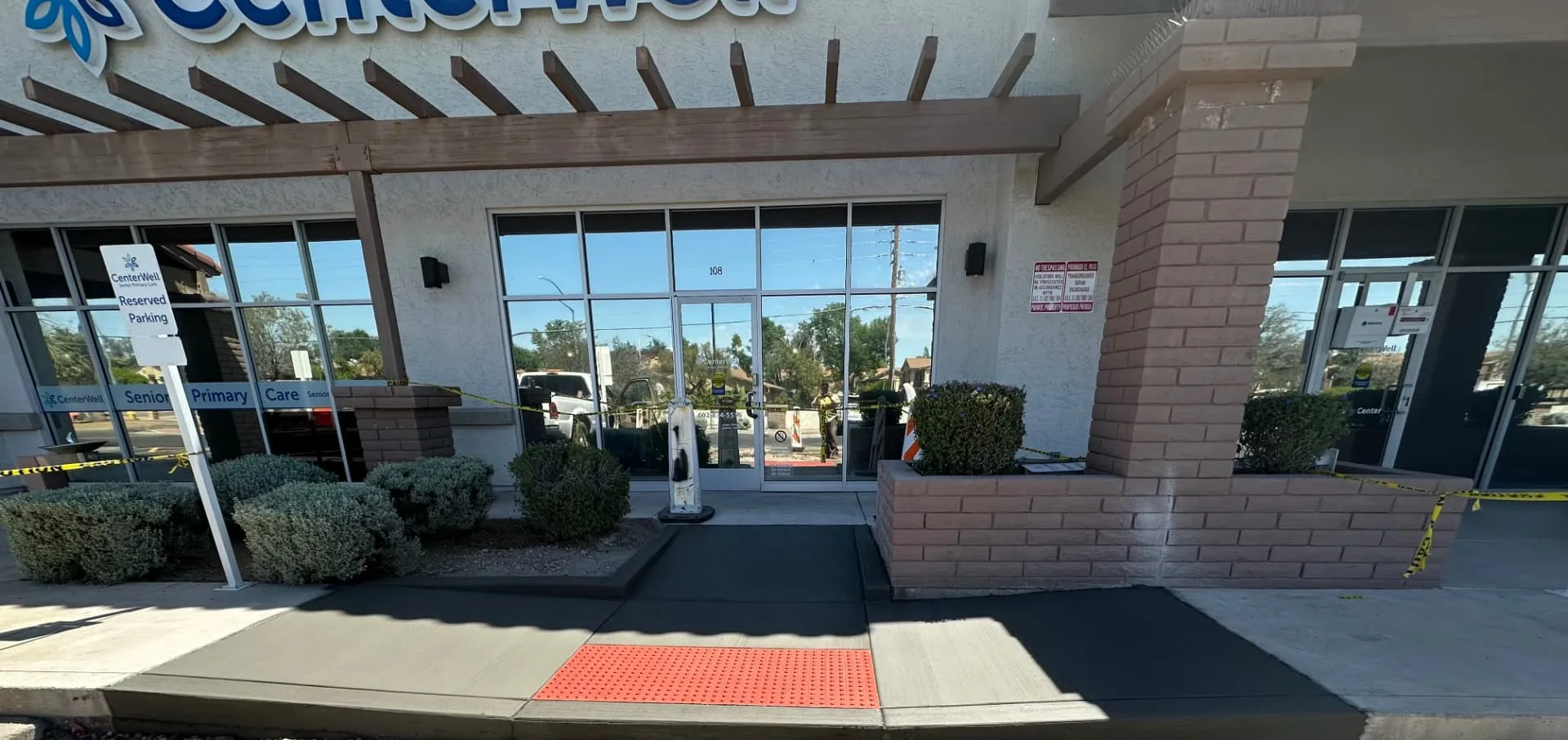
When our estimators walk a property we are measuring crack width and pattern, checking for base movement under load, looking at drainage slope and where water sits after a storm, testing pavement thickness at edges and at any existing patch, and reviewing striping and ADA compliance while we are on site. That produces a scope with a defensible sequence instead of a quote for whatever service the contractor happens to sell.
Every project American Asphalt performs carries our two year warranty on workmanship, which is only possible because we scope the repair the pavement needs rather than the repair that is easiest to sell.
Need An Arizona Commercial Paving Contractor?
Talk to a real American Asphalt estimator, not a call center. Site walks scheduled fast, written scopes, and a two year workmanship warranty on every project.